
Geography
Students at Greenshaw study geography in Years 7, 8 and 9, engaging with a range of physical and human geography themes.
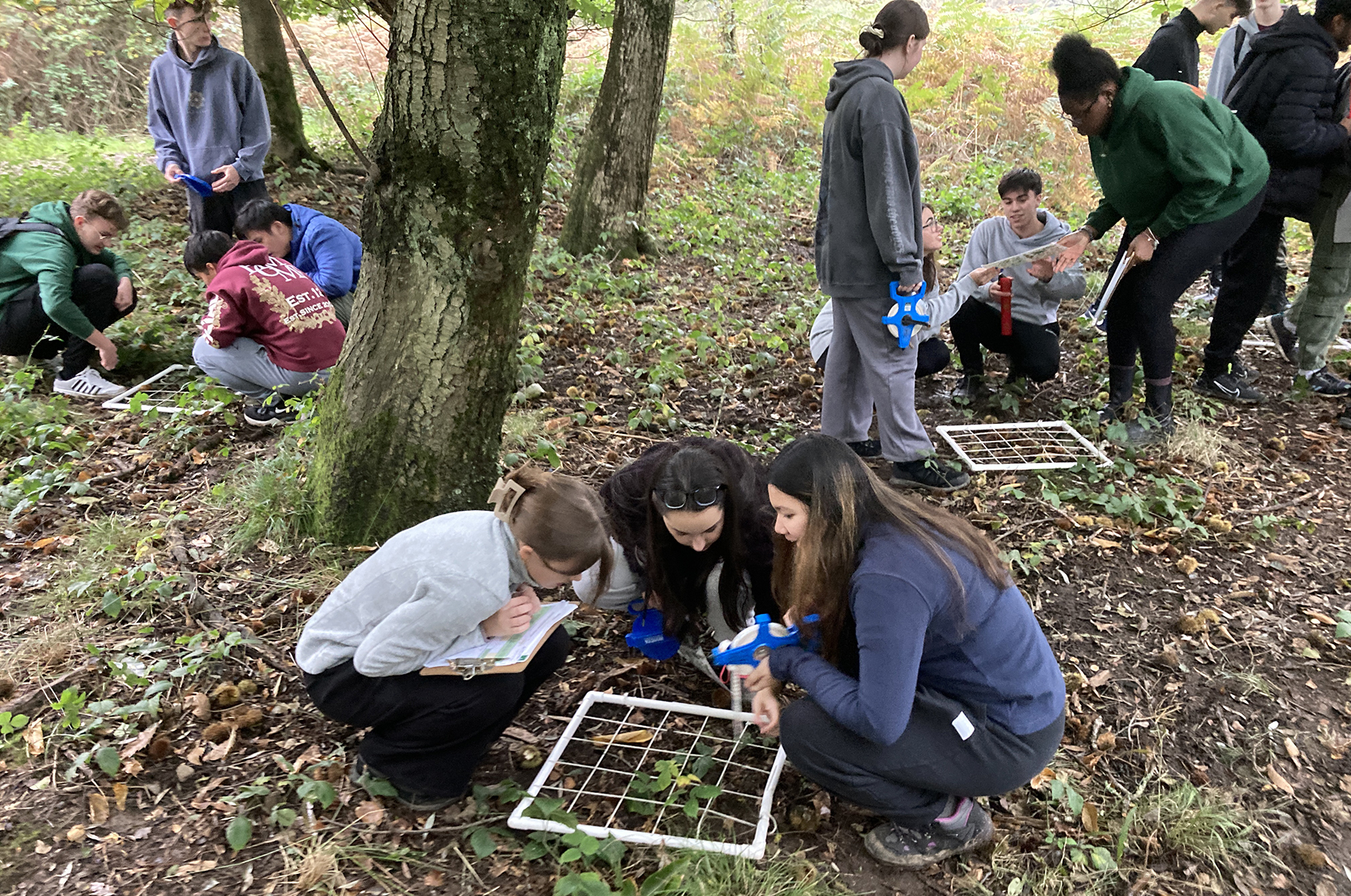
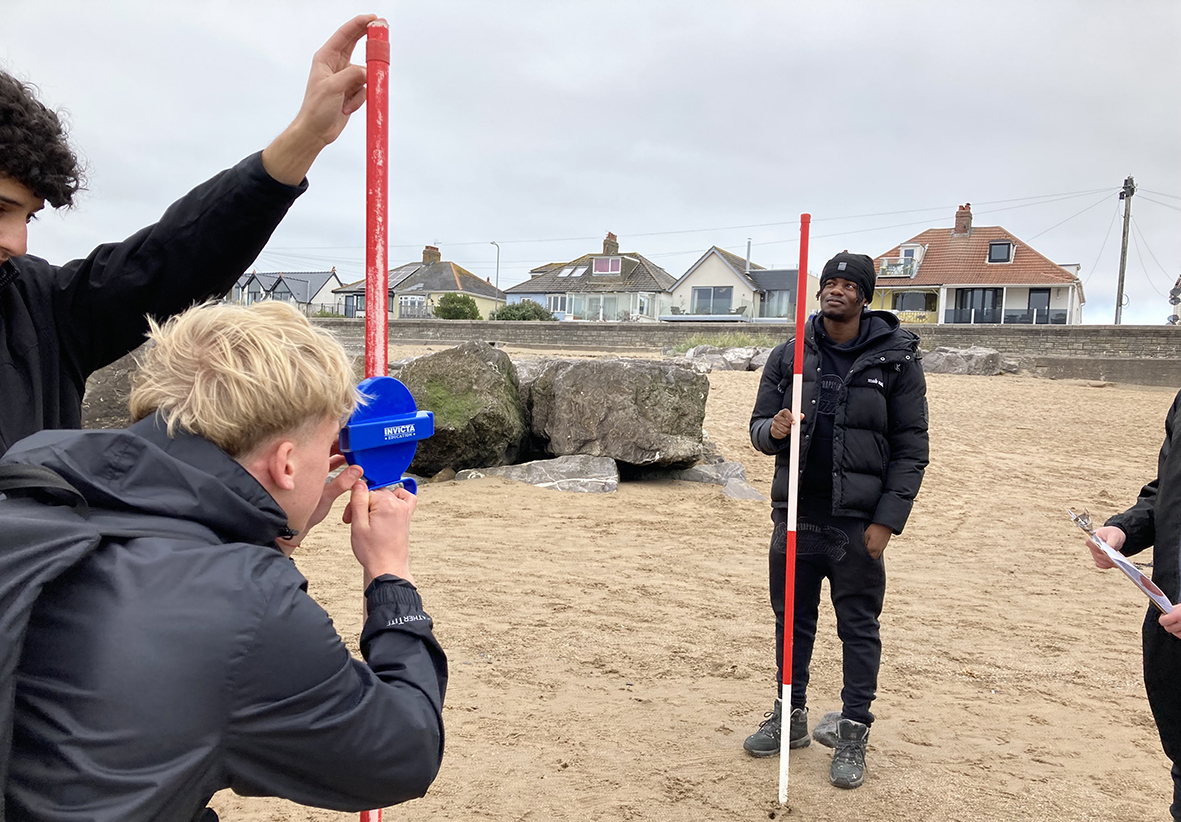
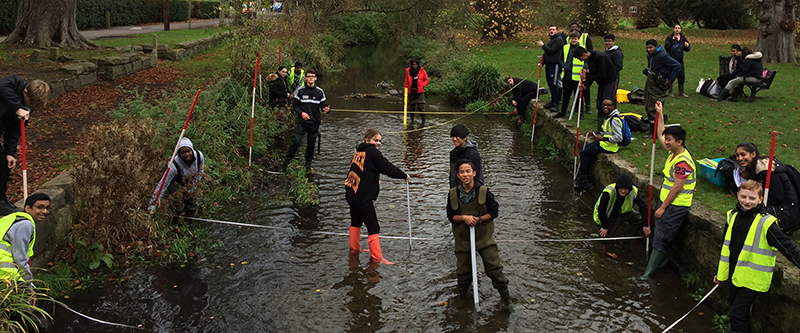
At GCSE, students develop their understanding through engaging with the schemes of learning across the course. As part of the course, students are required to engage with two different field work studies. These are currently carried out through visits to the local River Wandle and the London Olympic redevelopment site in Stratford, East London.
In the Sixth Form, students develop their understanding through further engaging with the A Level schemes of learning across the two-year course. Students complete their coursework on a five-day residential trip to Wales.
The geography department has enjoyed visits to Iceland and Morocco. Please click on the links to find out more.
Key Stage 3
What are the Big Ideas in geography?
|
Earth knowledge |
Relational understanding | Alternative futures |
|---|---|---|
|
Locating a range of significant global locations that are both local and those that are distant such as Las Vegas, Russia, Amazon Rainforest and Bangladesh. These places came to be for a variety of reasons and have specific resources and demographic profiles. |
Physical process, such as tectonic, fluvial, atmospheric, and geomorphological, have led to the creation and destruction of both physical and human landscapes. Humans have developed an interdependency with nature that must be effectively managed to ensure the ability of both to thrive in an ever-globalised world. |
Issues such as: resource depletion, widening development gap, intensity of natural disasters, overpopulation, and desertification require applying previous solutions to novel situations in an unfamiliar context. Not every issue has a fair and balanced solution, and the costs to the economy, society and environment must be taken into account. |
How are these developed through Years 7 to 9?
|
Earth knowledge |
Relational understanding | Alternative futures | |
|---|---|---|---|
| In Year 7 |
Interpret and describe two contrasting settlements of different scales, one local and one distant. |
Understand how physical and human processes influence two different landscapes. |
Solutions to local issues found in one place can be used to solve the same issues somewhere else. |
| In Year 8 | Use data to understand the characteristics of settlement at three different scales. | Understanding the relationship between human and physical is dynamic and dependent on a multitude of factors. | Solving local and global issues involve balancing a range of contextual factors. |
| In Year 9 | Fossils fuels, fresh water and biomass are obtainable within a variety of ecosystems, on which their very nature is dependent on location. | The unsustainable consumption of resources needs to be effectively managed to protect natural environments. | Recognise issues with previous solutions and come up with new hybrid solutions to local and global issues. |
What topics are used to explore these ideas?
| Year group | Autumn term | Spring term | Summer term |
|---|---|---|---|
| In Year 7 |
Rock cycle |
Urban landscapes |
Place studies – Las Vegas |
| In Year 8 | Ecosystems | Economic demography | Place studies – Iceland |
| In Year 9 | Resource management | Coastal landscapes | Global water |
GCSE Geography
GCSE Geography

GCSE Geography Teaching Schedule

A Level Geography
A Level Geography

A Level Geography Teaching Schedule

Downloads to help with classwork, extended work or coursework, can be found on Frog.
Miss G Maxwell is Head of Geography. Mr A Barnes is Deputy Head of Geography. Mr M Cowie is KS4 Coordinator. Other members of the team are: Mr J Aoanan and Mr T Booth.