
Drama
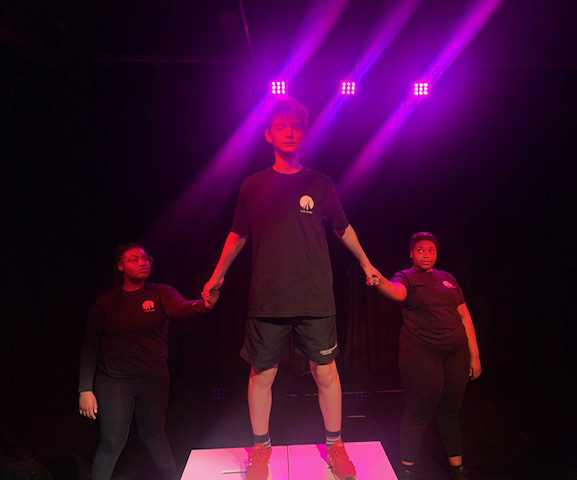
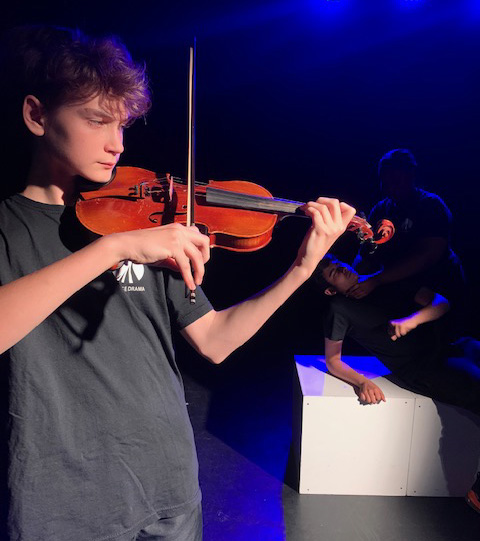
The study of drama enables students to develop their communication skills, self-esteem and confidence whilst exploring a range of genre, historical periods and performance styles. It is a powerful learning medium which prepares students for life beyond the classroom.
The drama department offers students several performance opportunities and live theatre opportunities. In the last few years, we have been to see The Woman in Black, The Curious Incident of the Dog In the Nighttime, Things I Know To Be True and Blood Brothers. Watching live and recorded live theatre is an essential part of the GCSE and A Level course; students are required to develop critical evaluation skills and analyse performances for exam purposes.
We are very proud of the commitment our students show; this is exemplified in the very professional and moving performances in summer concerts and GCSE performance evenings.
Key Stage 3
What are the Big Ideas in drama?
|
Performance Skills |
Space |
Spectator |
|
The body and voice are both vital ways in which we communicate with the world, verbally and non-verbally. Understanding how to use different techniques enhances both creation and appreciation of theatrical arts. |
The genre, style and theatrical form of a piece of theatre can impact the venue and staging in which it is performed. |
The perspective and reaction of the audience is a key element of theatre. |
What topics are used to explore these ideas?
| Year group | Autumn term | Spring term | Summer term |
|---|---|---|---|
| In Year 7 |
Darkwood Manor |
Medieval Theatre |
Charlie & the Chocolate Factory |
| In Year 8 |
Devising Theatre |
Blood Brothers |
Shakespeare Supernatural’s |
GCSE Drama
GCSE Drama
| Exam board |
AQA |
|
Written Exam |
Component 1: Understanding Drama (40%) |
|
NEA Performance & Coursework |
Component 2: Devising drama (40%) |
|
Performance |
Component 3: Texts in Practice (20%) |
Teaching Schedule
| Autumn term | Spring term | Summer term | |
|---|---|---|---|
| In Year 9 |
Stage Combat Naturalism by Konstantin Stanislavski |
Let’s Get Frantic Physical Theatre by Frantic Assembly |
It’s Epic Epic Theatre by Bertolt Bertolt Introduction to Understanding Drama |
| In Year 10 |
1. Key Basic Skills – Teechers by John Godber 2. Blood Brothers workshop and scene analysis |
1. NEA Devising: Stimulus and process 2. Live Theatre Analysis |
1. NEA Devising Log 2. NEA Devised performance |
| In Year 11 |
Understanding Drama |
Texts In Practice |
Revision |
A Level Drama
A Level Drama
| Exam board |
AQA |
|
Written Exam |
Component 1: Drama and Theatre (40%) |
|
NEA Performance & Coursework |
Component 2: Creating original drama (30%) |
|
Performance |
Component 3: Making theatre (30%) |
Teaching Schedule
| Autumn term | Spring term | Summer term | |
|---|---|---|---|
| In Year 12 |
Component 1 (Section A) Live Theatre Analysis Component 3: Extract 1 performance and Reflective Report Portfolio |
Component 1 (Section B) Antigone Component 3: Extract 2 performance and Reflective Report Portfolio |
Component 1 (Section C) Our Country’s Good Component 3: Extract 3 performance and Reflective Report Portfolio |
| In Year 13 |
NEA Creating original drama performance and Working Notebook |
Component 1: Drama and theatre. Live Theatre, Antigone, Our Country's Good |
Revision |
ownloads to help with classwork, extended work or coursework, can be found on Frog.
Drama teachers: Miss P Agyemang (Head) and Miss A Monk.